Mini Lemon Cakes with Lavender Glaze—Fresh Spring Flavor, Irresistibly Soft Texture

Mini lemon cakes with lavender glaze deliver unbeatable spring flavor and a moist, tender crumb every time. Dry, boring lemon desserts drove me to perfect this recipe. After making this many times, I know exactly how to keep them soft and never rubbery. The moment you taste that fresh lemon crumb with floral, creamy glaze, you’ll understand the difference. If you crave more tangy treats, try my Easy Strawberry Lemonade Punch Recipe for Summer Parties. Jump to the recipe card or keep reading for my best tips. If you love recipes like this, you’ll also enjoy Easy Strawberry Lemonade Punch Recipe for Summer Parties and Cream Cheese Swirl Carrot Cake Bars Easy to Make.
Why This Mini Lemon Cakes with Lavender Glaze—Fresh Spring Flavor, Irresistibly Soft Texture Is Pure Comfort
- Bright lemon flavor lifts every bite—no artificial taste or bitterness.
- Lavender glaze adds subtle floral notes without overpowering the lemon.
- Baking technique prevents dry or dense cakes every single time.
- Perfect for spring gatherings, afternoon tea, or a thoughtful homemade gift.
What You'll Need for Mini Lemon Cakes with Lavender Glaze—Fresh Spring Flavor, Irresistibly Soft Texture
Choosing the right ingredients makes a big difference, but this recipe is forgiving enough to work with what you have.
- 1 cup all-purpose flour
- 3/4 cup granulated sugar
- 1/2 cup unsalted butter, softened
- 2 large eggs, room temperature
- 2 tablespoons fresh lemon zest
- 1/4 cup fresh lemon juice
- 1/4 cup whole milk
- 1 teaspoon baking powder
- 1/4 teaspoon fine sea salt
- 1 tablespoon dried culinary lavender
- 1 cup powdered sugar
- 2–3 tablespoons whole milk (for glaze)
- 1 teaspoon lemon juice (for glaze)
- Optional: Extra lemon zest for garnish
- Optional: Additional dried lavender buds (culinary grade)
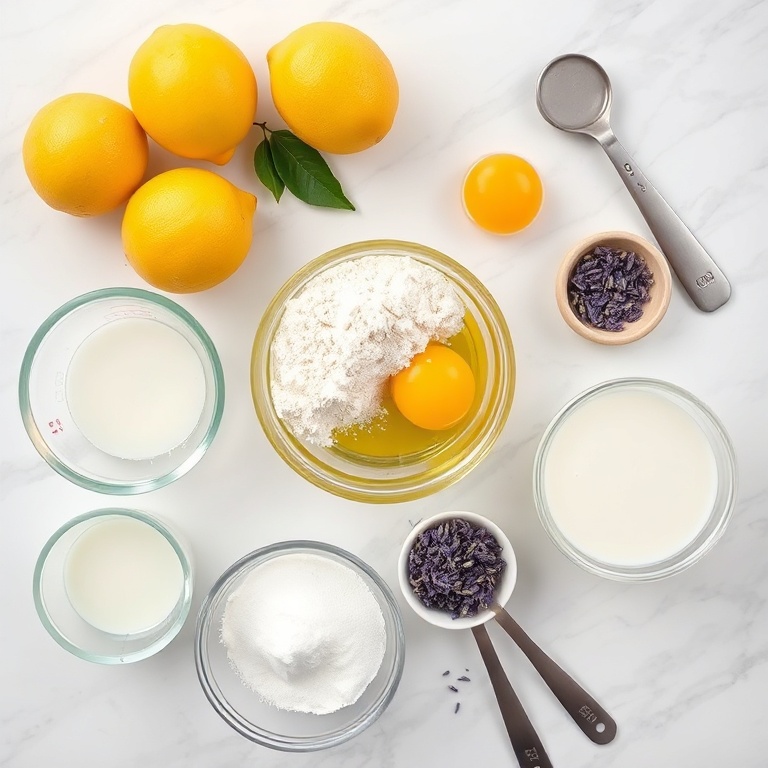
📝 Ingredient Notes
- Fresh lemons: Use unwaxed, ripe lemons for bright zest and juice—bottled juice won’t taste the same.
- Dried lavender: Only use culinary-grade lavender. Non-food lavender can taste bitter or soapy.
- Unsalted butter: Softened, not melted, for proper cake lift—room temperature is key for creamy mixing.
- Whole milk: Adds richness and keeps cakes moist. Low fat options dry out faster.
🛒 Tools & Equipment I Recommend
- Mini bundt pan — Prevents soggy bottoms and ensures beautiful individual cakes with crisp edges. This pays for itself after one holiday party. → See on Amazon
- Microplane zester — Gets maximum lemon zest without bitter pith, boosting bright flavor in every bite. → See on Amazon

How to Make Mini Lemon Cakes with Lavender Glaze—Fresh Spring Flavor, Irresistibly Soft Texture
- Prep oven and pans: Preheat oven to 350°F. Grease a 12-cavity mini bundt or muffin pan thoroughly with butter or nonstick spray.
- Cream butter and sugar: Beat softened butter and sugar with a hand mixer for 2-3 minutes until light, pale, and fluffy. Scrape the bowl often.
- Add eggs and lemon: Beat in eggs one at a time, then mix in lemon zest and juice. Batter should look creamy, not separated.
- Combine dry ingredients: Whisk flour, baking powder, and salt in a separate bowl. Add half to the batter and mix gently.
- Add milk and finish batter: Pour in milk, then add remaining dry ingredients. Mix at low speed until just combined—do not overmix.
- Fill pans and bake: Divide batter evenly among mini pans, filling each about 2/3 full. Bake 15–18 minutes until cakes spring back lightly when pressed.
- Cool completely: Let cakes cool in the pan 7 minutes, then carefully invert onto a wire rack and cool completely before glazing.
- Make lavender glaze: Steep dried lavender in 2 tablespoons hot milk for 10 minutes. Strain and whisk the infused milk with powdered sugar and lemon juice until smooth.
- Glaze and finish: Spoon glaze over cooled cakes, allowing it to drip over sides. Garnish with extra zest or dried lavender if desired. Let set before serving.
Cook's Tips for Perfect Mini Lemon Cakes with Lavender Glaze—Fresh Spring Flavor, Irresistibly Soft Texture
- Cake texture: Always cream butter and sugar until pale and fluffy—this traps air, giving you a soft crumb instead of dense centers.
- Common mistake and fix: Overbaking dries the cakes quickly. Pull them as soon as they spring back lightly to the touch and a toothpick shows a few moist crumbs.
- Glaze technique: Steep the lavender for glaze, then strain—whole buds in the glaze lead to a gritty or soapy texture.
- Ingredient freshness: Use real lemon zest and fresh juice for the most vibrant flavor—pre-zested or bottled juice comes out flat and dull.
Storing & Reheating Mini Lemon Cakes with Lavender Glaze—Fresh Spring Flavor, Irresistibly Soft Texture
Short-Term Storage
Store in an airtight container in the fridge. Store mini lemon cakes in an airtight container up to 4 days. Keep at room temperature up to 48 hours if your kitchen is cool and dry. Make-ahead tip: Bake cakes and store unglazed for up to 2 days. Glaze right before serving for the freshest taste and presentation.
Freezing Mini Lemon Cakes with Lavender Glaze—Fresh Spring Flavor, Irresistibly Soft Texture
Wrap unglazed cakes well and freeze up to 2 months. Glaze after thawing for best texture.
How to Reheat Without Drying It Out
Oven: Warm unglazed cakes in a 300°F oven for 5 minutes. This refreshes texture without drying them out. Microwave: Microwave a cake (unglazed) for 10–15 seconds on a plate. Glaze after reheating to keep it looking smooth.
Recipe Notes
- Chef tip: The #1 reason these cakes fail is overbaking—keep a close eye and check early, as mini cakes bake fast.
- Best substitution: Swap culinary lavender with a touch of vanilla in the glaze if needed—never use non-culinary lavender.
- Make-ahead: Bake cakes up to 2 days in advance, but glaze them only after they return to room temp.
- Scaling: Double this recipe easily for a crowd. Bake in batches to prevent overcrowding the oven or uneven baking.
- Troubleshooting: If cakes stick, let them cool 7–8 minutes before removing. Too hot or too cold and they’ll tear.
Want to level up this recipe?
Flexible silicone spatula — Gets every bit of batter out for even mini cakes—no waste, and makes cleaning easier. → Check price on Amazon
Mini Lemon Cakes with Lavender Glaze—Fresh Spring Flavor, Irresistibly Soft Texture
Ingredients
Main Ingredients
- 1 cup all-purpose flour
- 3/4 cup granulated sugar
- 1/2 cup unsalted butter, softened
- 2 large eggs, room temperature
- 2 tablespoons fresh lemon zest
- 1/4 cup fresh lemon juice
- 1/4 cup whole milk
- 1 teaspoon baking powder
- 1/4 teaspoon fine sea salt
Seasonings
- 1 tablespoon dried culinary lavender
- 1 cup powdered sugar
- 2–3 tablespoons whole milk (for glaze)
- 1 teaspoon lemon juice (for glaze)
Optional Toppings
- Extra lemon zest for garnish
- Additional dried lavender buds (culinary grade)
Instructions
- Prep oven and pans: Preheat oven to 350°F. Grease a 12-cavity mini bundt or muffin pan thoroughly with butter or nonstick spray.
- Cream butter and sugar: Beat softened butter and sugar with a hand mixer for 2-3 minutes until light, pale, and fluffy. Scrape the bowl often.
- Add eggs and lemon: Beat in eggs one at a time, then mix in lemon zest and juice. Batter should look creamy, not separated.
- Combine dry ingredients: Whisk flour, baking powder, and salt in a separate bowl. Add half to the batter and mix gently.
- Add milk and finish batter: Pour in milk, then add remaining dry ingredients. Mix at low speed until just combined—do not overmix.
- Fill pans and bake: Divide batter evenly among mini pans, filling each about 2/3 full. Bake 15–18 minutes until cakes spring back lightly when pressed.
- Cool completely: Let cakes cool in the pan 7 minutes, then carefully invert onto a wire rack and cool completely before glazing.
- Make lavender glaze: Steep dried lavender in 2 tablespoons hot milk for 10 minutes. Strain and whisk the infused milk with powdered sugar and lemon juice until smooth.
- Glaze and finish: Spoon glaze over cooled cakes, allowing it to drip over sides. Garnish with extra zest or dried lavender if desired. Let set before serving.
Notes
- Chef tip: The #1 reason these cakes fail is overbaking—keep a close eye and check early, as mini cakes bake fast.
- Best substitution: Swap culinary lavender with a touch of vanilla in the glaze if needed—never use non-culinary lavender.
- Make-ahead: Bake cakes up to 2 days in advance, but glaze them only after they return to room temp.
- Scaling: Double this recipe easily for a crowd. Bake in batches to prevent overcrowding the oven or uneven baking.
- Troubleshooting: If cakes stick, let them cool 7–8 minutes before removing. Too hot or too cold and they’ll tear.
Storage
- Fridge: Store mini lemon cakes in an airtight container up to 4 days. Keep at room temperature up to 48 hours if your kitchen is cool and dry.
- Freezer: Wrap unglazed cakes well and freeze up to 2 months. Glaze after thawing for best texture.
- Oven reheat: Warm unglazed cakes in a 300°F oven for 5 minutes. This refreshes texture without drying them out.
- Microwave reheat: Microwave a cake (unglazed) for 10–15 seconds on a plate. Glaze after reheating to keep it looking smooth.
- Make ahead: Bake cakes and store unglazed for up to 2 days. Glaze right before serving for the freshest taste and presentation.
Nutrition Per Serving
- Calories: 195
- Protein: 2g
- Fat: 8g
- Carbs: 28g
- Fiber: 1g
- Sugar: 20g
- Sodium: 102mg
- Cholesterol: 41mg
- Sat. Fat: 5g
Nutritional values are estimates only. Actual values may vary by brand and portion size.
Mini Lemon Cakes with Lavender Glaze—Fresh Spring Flavor, Irresistibly Soft Texture FAQs
Yes, you can bake the mini lemon cakes up to 2 days in advance. For best results, store them unglazed in an airtight container at room temperature. Add the lavender glaze closer to serving so it stays shiny and smooth. If glazed early, the topping can soak in and lose its sheen.
The number one cause is overbaking. Mini cakes bake quicker than standard loaves, so check a few minutes early. Test with a toothpick; it should come out with just a few moist crumbs. Using cold butter or not creaming sugar and butter enough can also cause dense, dry texture.
For best results, freeze the cakes unglazed. Wrap each cooled cake tightly in plastic wrap, then place in a freezer bag (up to 2 months). Thaw at room temperature, and glaze after thawing so the finish stays shiny and doesn’t become sticky.
Yes, use a standard or mini muffin tin—just grease well to prevent sticking. Cakes may be a bit softer on the edges than with a bundt pan, and baking times could be 2–3 minutes shorter. Always check for doneness early.
Spring’s fresh lemons and edible flowers make this recipe naturally bright and seasonal. The light, floral glaze adds a unique touch not found in winter desserts. These cakes look lovely on an Easter or spring brunch table, and their individual size is perfect for outdoor gatherings and teas.
A Warm Final Note
I can’t wait for you to try Mini Lemon Cakes with Lavender Glaze—Fresh Spring Flavor, Irresistibly Soft Texture and see how effortlessly it comes together. When you make it, pop back here and leave a rating or share how it turned out — I love hearing from you!